Editorial Policy
How The Finer Edit chooses, writes and reviews.
The Finer Edit is a UK lifestyle magazine covering places to eat, places to visit, places to stay, recipes, culture, guides and thoughtful living.
We write for readers who enjoy a good recommendation well told: something useful, something beautiful, and, ideally, something worth lingering over for a moment before the next tab opens.
This policy explains how we approach editorial judgement, research, reviews, corrections, commercial relationships, AI-assisted work and reader trust.
Last updated: [insert date]
Our Editorial Approach
The Finer Edit is built around taste, usefulness and honest judgement.
We are interested in places and stories with atmosphere, character, flavour, setting, craft, warmth, beauty, usefulness or a genuine reason to be shared. That might be a restaurant with a point of view, a hotel that makes a weekend feel properly away, a garden that changes with the season, a town worth understanding slowly, or a recipe that earns its place at the table.
The magazine is not a directory of everything, and it is not trying to be one.
Our aim is to help readers make beautiful, informed decisions while still giving them something enjoyable to read.
What We Cover
The Finer Edit covers a considered mix of UK lifestyle content, including:
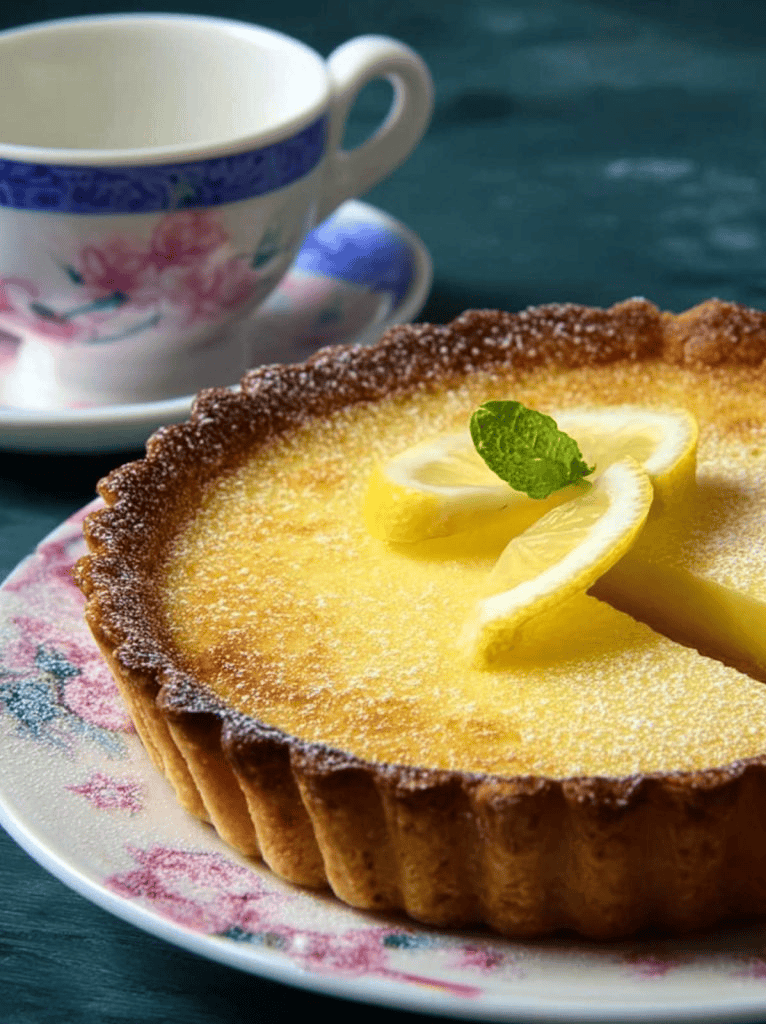
Places to eat, including restaurants, cafés, brunch spots, bakeries, afternoon teas, farm shops, food halls and proper Sunday lunches.
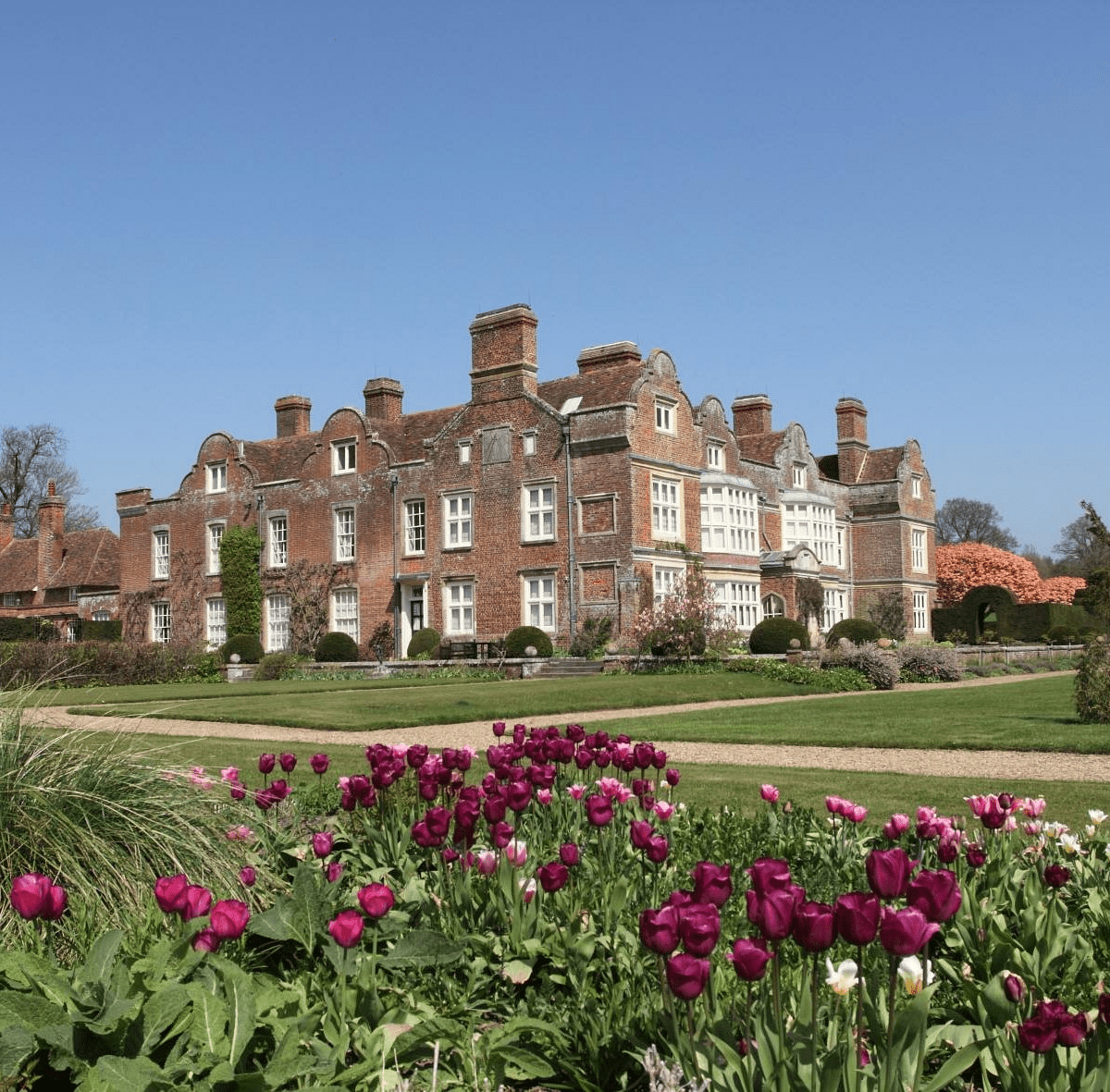
Places to visit, including towns, villages, gardens, estates, museums, galleries, historic houses, coastal places, markets, events and family-friendly days out.
Places to stay, including hotels, boutique stays, country escapes, coastal breaks, spa stays and family-friendly weekends.
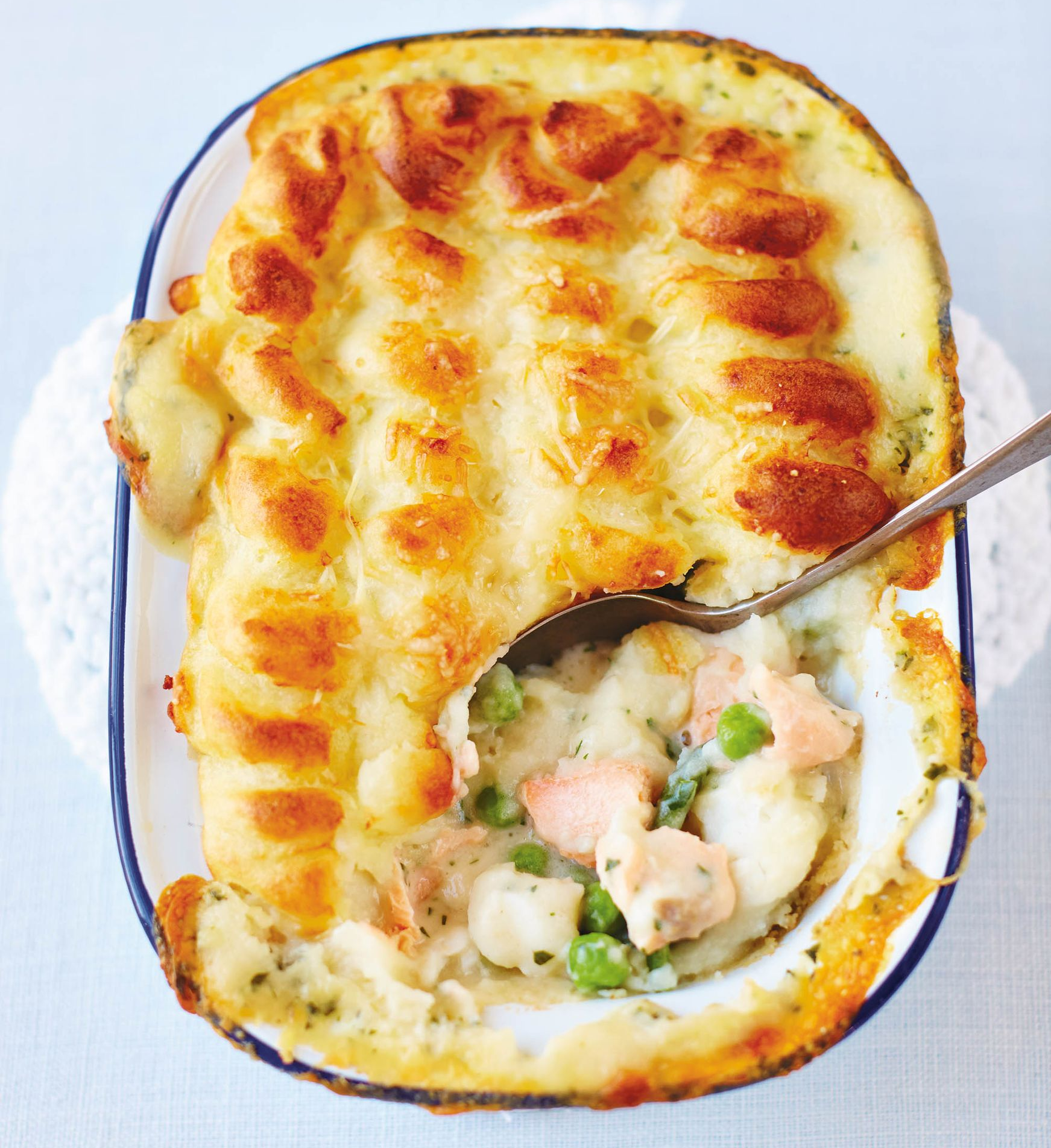
Recipes, including baking, desserts, family suppers, seasonal cooking, French-inspired dishes and food that feels generous without unnecessary theatre.
Guides, including county guides, weekend ideas, itineraries, seasonal edits, best-of features and useful starting points for a good day or weekend.
Culture and lifestyle, including exhibitions, books, interiors, design, thoughtful living and editor’s notes.
How We Choose What To Feature
A feature needs a reason to exist.
That reason might be the food, the room, the service, the setting, the history, the craft, the view, the atmosphere, the usefulness, or simply the way a place makes a day feel better arranged.
We do not include something only because it is new, popular, expensive, photogenic, heavily promoted or described with great confidence in a press release.
We look for the details that make something stay with you: the welcome, the table by the window, the path down to the water, the menu that knows when to stop, the museum café worth not rushing, the independent shop that feels properly chosen, the recipe that behaves beautifully on a Tuesday evening.
Not every feature needs to be grand. It does need to have something worth noticing.
Personally Visited Features
Some features are based on personal visits, meals, stays, events, recipes or experiences.
When a piece is based on first-hand experience, we aim to write honestly and warmly about what it was like: the atmosphere, service, food, setting, access, timing, value, and the small practical details that readers may want to know before going.
A personally visited feature does not mean every detail will be perfect forever. Restaurants change menus, shops move, hotels alter policies, gardens open seasonally, and opening hours seem to enjoy a private life of their own.
Where useful, we may include a note explaining that the feature is based on a personal visit.
Researched Features
Some articles are carefully researched rather than personally visited. This is especially relevant for wider guides, launch content, seasonal roundups, cultural features, county pieces or articles covering several places at once.
A researched feature may use official websites, reliable published sources, local knowledge, current listings, press information and other relevant material.
We do not pretend to have personally visited somewhere if we have not.
Where appropriate, we may include a note such as:
“This is a researched feature, written from reliable sources and local knowledge rather than a paid or gifted visit.”
The standard remains the same: no invented details, no borrowed enthusiasm, and no pretending a place has been experienced first-hand when it has not.
Reviews and Recommendations
A recommendation should feel earned.
The Finer Edit is not interested in exaggerated praise or hollow enthusiasm. If we recommend somewhere, we aim to explain why it belongs in the magazine.
Most average or disappointing experiences will simply be left out. The Finer Edit is not designed as a negative review platform, and the world is not improved by another dramatic paragraph about an underwhelming sandwich.
When criticism is useful, it should be fair, specific and proportionate. A thoughtful note about service, value, atmosphere, access or expectation can help readers. A performance of disappointment helps very little.
Recipes
Recipes published on The Finer Edit may be original recipes, adapted home recipes, tested kitchen notes or editorial food features.
Where a recipe is Lara’s own, it may be described as such. Where a recipe is inspired by a classic dish, cuisine, technique or tradition, we will aim to acknowledge that honestly and write with care.
Recipes should be clear enough to cook from, but still enjoyable to read. The method matters, but so does the mood of the thing: why it works, when to make it, what to serve with it, and where the pleasure sits.
Commercial Relationships
The Finer Edit may accept gifted experiences, press invitations, sponsored content, advertising, affiliate links, paid partnerships and directory listings.
Commercial relationships will be disclosed clearly.
Editorial recommendation remains separate from paid visibility. A paid opportunity may buy space, but it does not buy dishonest judgement.
For more detail, please read our Disclosure Policy.
Gifts, Invitations and Hosted Visits
The Finer Edit may be offered meals, stays, tickets, products, experiences, previews or events for editorial consideration.
A gifted or hosted experience does not automatically guarantee coverage. If the story is not a natural fit for the magazine, it may not be featured.
If a feature is written following a gifted experience, press invitation or hosted visit, this will be disclosed clearly.
Our tone may be grateful, but our judgement remains our own.
Paid Directory Listings
The Finer Edit may offer paid directory listings in the future.
A paid directory listing is separate from an editorial recommendation. A business may pay to appear in a directory, but that does not mean The Finer Edit has personally visited, reviewed or endorsed the experience.
Directory pages will include a clear note explaining how listings work.
Corrections and Updates
The Finer Edit aims to keep information accurate, current and useful.
Details can change: opening times, ticket prices, menus, ownership, access, facilities, booking rules, transport links, restoration closures, seasonal hours and restaurant days all have a habit of shifting quietly after publication.
If you spot something that appears incorrect or out of date, please let us know.
We will review correction requests and update content where appropriate.
Contact:
[insert editorial email address]
Sources and Fact-Checking
For researched features, The Finer Edit aims to use reliable information and check important claims before publication.
Depending on the article, this may include official venue websites, attraction pages, restaurant pages, council or tourism sources, reputable guide sources, press information, historical references, transport providers, booking platforms and current local information.
Specific factual claims, such as opening dates, transport timings, ticket details, historical claims, awards, rankings or ownership information, should be checked carefully before publication.
If a claim cannot be verified confidently, it should either be softened, attributed or left out.
AI-Assisted Work
The Finer Edit may use AI tools to support research organisation, drafting structure, editing, summaries, metadata, tags, SEO planning and workflow.
AI is not never treated as the final editorial authority.
AI must not be used to invent visits, meals, stays, prices, quotes, opening times, personal impressions, historical details, restaurant experiences or facts that have not been checked.
All final copy should be reviewed for accuracy, tone, originality, usefulness and reader trust.
The Finer Edit voice, judgement and final editorial decisions remain human-led.
Images and Visuals
Images used on The Finer Edit may include original photography, supplied press images, licensed imagery, stock imagery, AI-assisted illustrative imagery or other properly credited sources.
Images should not mislead readers.
A supplied press image may show a place at its best, but it should still be relevant to the feature. AI-generated or illustrative imagery should not be used to suggest that a real place, product, room, dish or experience was photographed first-hand if it was not.
Where image credits are required, they should be included.
Reader Submissions and Recommendations
Readers, PRs, brands and businesses may suggest places, products, stories, events or experiences for consideration.
A suggestion does not guarantee coverage.
We are always interested in hearing about places with atmosphere, flavour, setting, craft, warmth, design, usefulness or a genuine reason to be shared. A good recommendation tells us not only what something is, but why it belongs in The Finer Edit.
Editorial Independence
The Finer Edit may work with brands, places, PRs and partners, but editorial judgement remains its own.
We will not knowingly recommend something we believe to be poor quality, misleading, unsuitable or out of step with the magazine simply because it is gifted, paid, affiliated or advertised.
If something is not a natural fit, it may be declined.
If something has limitations but remains useful or enjoyable, we may say so with care.
Reader Trust
Trust matters because The Finer Edit is built on judgement.
Readers should feel that the magazine is written with warmth, taste and honest attention. They should know when something has been personally visited, researched, gifted, sponsored, affiliated or paid for. They should also feel that the writing is there to help them enjoy life a little more thoughtfully, not to sell them every available experience with a good font and a flattering photograph.
The promise is simple:
We choose carefully.
We write honestly.
We disclose clearly.
We correct where needed.
And we try to make the reading worth your time.